
This video presents a detailed scholarly rebuttal to the claim that Daniel 8’s references to “the time of the end” (ʿēt qēṣ) preclude an Antiochus IV Epiphanes interpretation because the phrase allegedly points to eschatological events far beyond the 2nd century BCE.
Key Points Covered:
Linguistic Foundation: The Hebrew term qēṣ (ֵקץ) means any culmination or completion point, not necessarily cosmic finality. Biblical examples such as Genesis 6:13 (the Flood) and Jeremiah’s “seventy years” demonstrate that qēṣ refers to specific historical endpoints rather than world-ending events.
Contextual Analysis: Daniel 8:19 defines “time of the end” as “the latter time of the indignation” (ʾaḥarît ha-zaʿam), indicating the conclusion of divine wrath against Israel—perfectly fitting the Antiochene persecution and Maccabean resolution.
Literary Evolution: The video explains how Daniel uses qēṣ with shifting meanings: chapter 8 originally referenced the end of contemporary oppression. In contrast, later chapters (11-12) reflect post-Antiochene redactional layers extending the concept eschatologically.
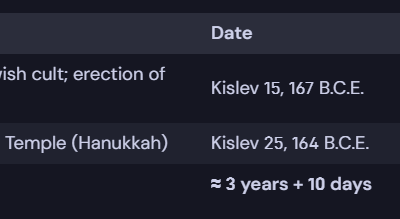
Historical Context: From a 2nd-century Jewish perspective, the Antiochene crisis (167-164 BCE) represented a terminal moment requiring divine intervention. Contemporary sources like 1-2 Maccabees and Qumran literature confirm this “end times” language applied to specific persecutions, not cosmic consummation.
Textual Evidence: Greek translations (Septuagint and Theodotion) preserve the sense of a determined period rather than timeless futurity.
Conclusion: The phrase “time of the end” naturally refers to the appointed terminus of Antiochus’s desecration and the Temple’s restoration by the Maccabees—the end of divine punishment, not world history.
0 Comments